




Business · Los Angeles
Skydance merges Warner and Paramount TV. Who wins?
One studio, Warner Bros. Television Studios, will make more than 120 series, from The Pitt to Reacher, after Paramount's WBD takeover.
 Kapture · · 2 min read
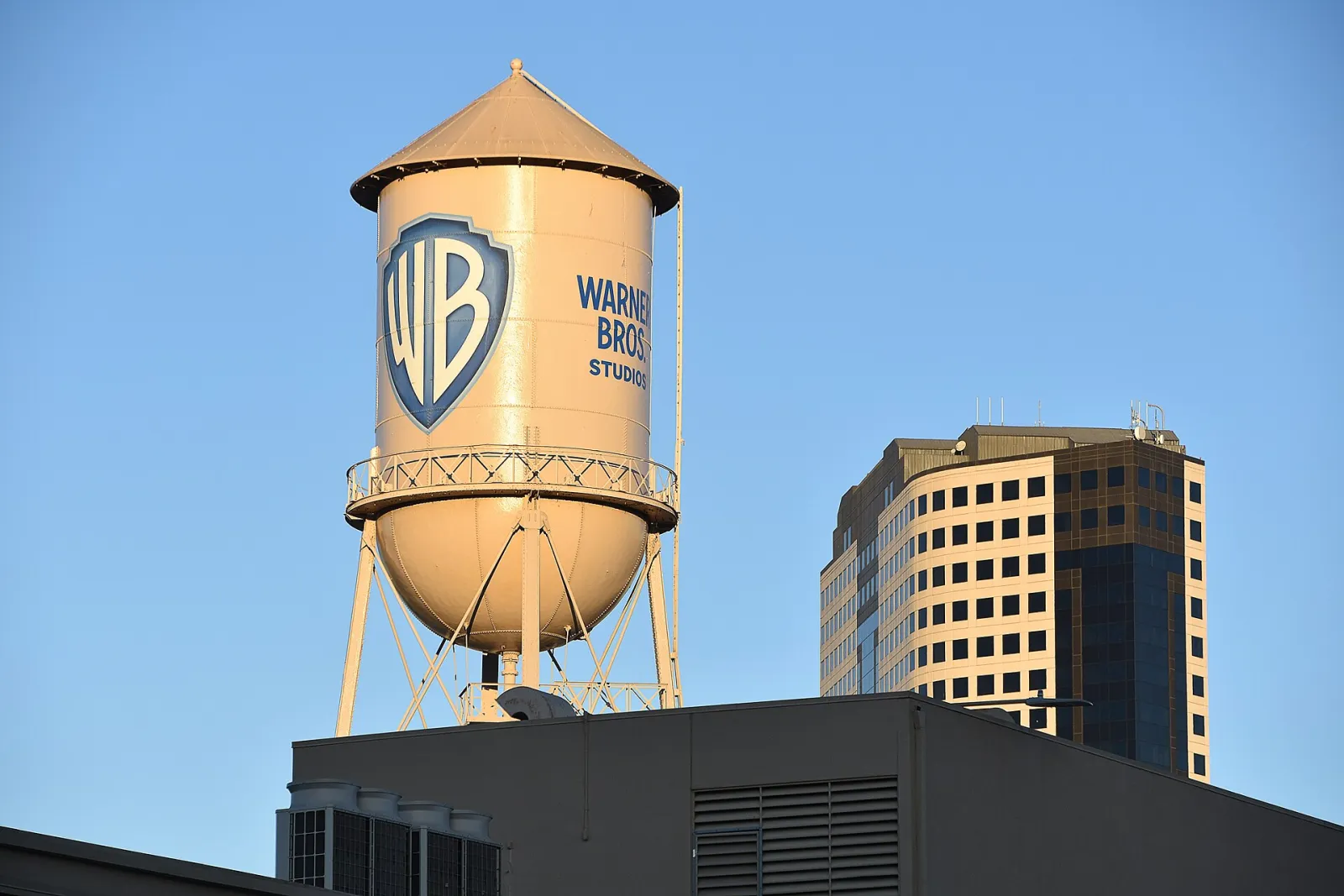
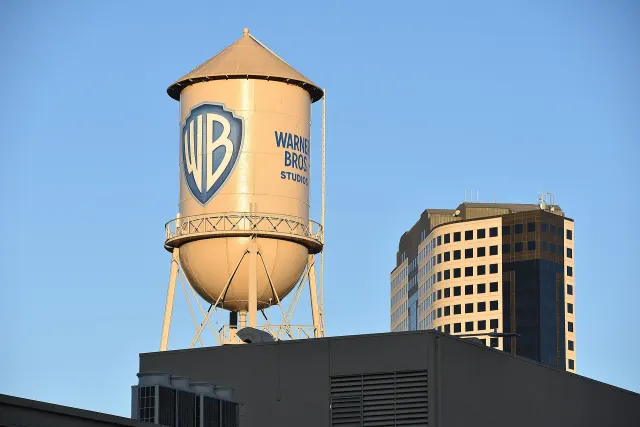
The first big reshuffle after Hollywood's biggest merger is here. Skydance will combine Warner Bros. Television Group and Paramount Television Studios into a single unit called Warner Bros. Television Studios, according to an internal memo reported by the Associated Press on 18 November.
Channing Dungey and Matt Thunell will run it as presidents. The combination is due to be completed in early 2027. CBS Studios, home of the NCIS and Fire Country franchises, stays separate under David Stapf.
The biggest TV factory in town
The new studio will have more than 120 series to its name, the AP reports, including HBO's Harry Potter series, Netflix's Emily in Paris and CBS's Marshals. Among the shows the two studios bring are The Pitt, Ted Lasso, Reacher and Landman. George Cheeks, co-chair and chief content officer of Skydance TV, said in the memo that the merger "creates a formidable creative engine".
The move follows Paramount's US$81 billion takeover of Warner Bros. Discovery, which closed in October, the AP says. Folding two rival studios into one is where such deals usually find their savings: one set of executives, one business affairs team, one pitch meeting instead of two.
Fewer doors to knock on
Who wins? Skydance gets scale and leverage. A studio that already supplies Netflix, HBO and CBS can drive harder bargains with every platform. The memo does not mention job cuts, but consolidation of this kind rarely leaves headcount untouched.
Who loses is less clear-cut. Writers, producers and agents now have one fewer major studio to pitch to in Los Angeles. Independent producers, including those in Africa looking for co-production partners, face a market where the buyers are fewer and bigger, and where a single green-light committee can decide the fate of an idea that once had two chances.
There is a counter-argument. A bigger studio needs a lot of content and a lot of international stories to feed it. Merged companies often look abroad for fresh formats, cheaper production and new audiences. African producers with finished, proven shows and clear rights packages may find the new giant a more serious buyer than either studio was alone.
The deal also changes how a studio sells. For years the big studios made shows for whoever paid most, including rivals. A merged studio under the same owner as HBO Max and Paramount+ faces a constant choice: sell a hit to Netflix for the cheque, or keep it at home to grow its own streamer. With Emily in Paris on Netflix and Harry Potter on HBO under one roof, the company plans to keep doing both, for now.
African viewers mostly meet these shows through global streamers and pay-TV, so the merger will rarely be visible on screen. It will be visible in the deals: which titles are licensed where, and at what price.
Our read: this is the business of media in 2026 in one memo. Scale is the strategy. For creators everywhere, the smart move is to own your rights, build your audience and come to the table with something the giants cannot make cheaper themselves.
Written by the Kapture newsroom.